

Palestinian theatre-maker Elias Matar, Deputy Artistic Director of Good Chance, brings their powerful new play A Grain of Sand to London’s Arcola Theatre this January.
Inspired by the anthology A Million Kites: Testimonies and Poems from the Children of Gaza, the one-woman show explores war through the eyes of a child, blending Palestinian folklore with real-life testimonies.
A Grain of Sand runs at Arcola Theatre from 21 – 31 January 2026 before embarking on a UK tour. Book tickets here.
You’re bringing A Grain of Sand to the Arcola Theatre. What can you tell us about the show?
A Grain of Sand is a story about childhood in the midst of destruction and loss, told through the eyes of one child navigating a world shaped by fear, wonder and imagination.
The narrative is woven from real events witnessed over the past two years, alongside folklore that helps our heroine, Renad, to keep going. Through Renad, the voices of other children from Gaza are also carried, drawn from verbatim testimonies.

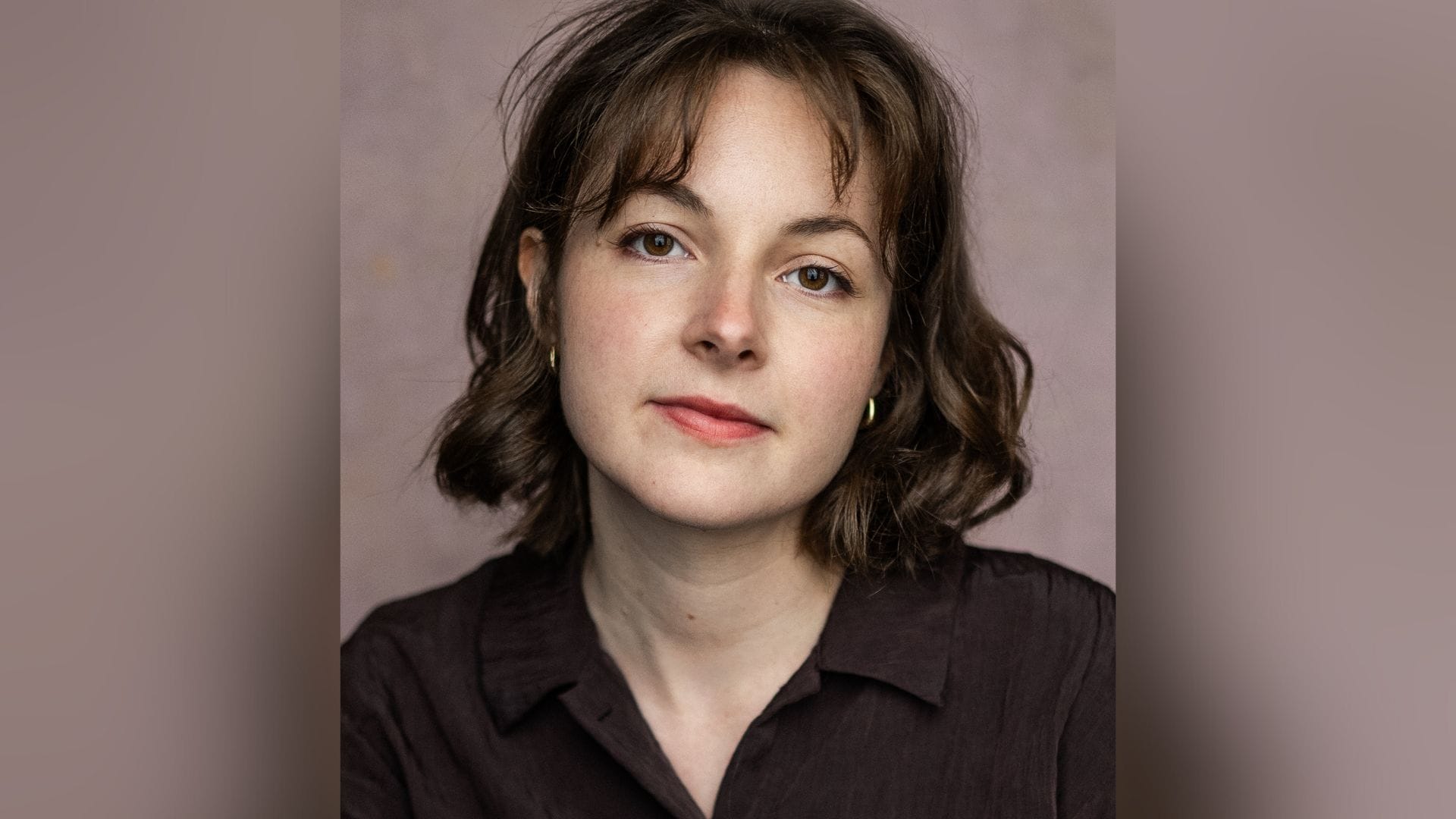
The result is an intimate theatrical experience, carried entirely by the remarkable performer Sarah Agha.
What inspired you to write A Grain of Sand, and how did Leila Boukarim and Asaf Luzon’s anthology influence the piece?
A Grain of Sand was commissioned by Khalid Ziad, director of the London Palestine Film Festival. In 2023, he asked me to create a piece rooted in lived experience and containing real testimonies. At that time, it felt almost impossible. My theatre practice is grounded in working directly with communities, and I had no access to people on the ground. I felt genuinely stuck and helpless.
Then I came across the booklet A Million Kites, which became a pivotal turning point. I had found the voices I was searching for – the testimonies of children.
Because I could not speak directly with children in Gaza at that time, this booklet became the only possible way to listen and respond. It became the guiding light for the entire piece.
Through the children’s witness accounts, their words and their stories, I was able to shape a narrative that placed their testimonies at its centre, alongside events unfolding through the media.
Renad is a fictional character inspired by a real person, but she exists within and around these testimonies. The play grew from the children’s voices and holds them at its core.
The play blends Palestinian folklore with real-life testimonies from children in Gaza. How did you approach weaving these elements together?
I approached the work as three interconnected layers.
The first layer is Renad’s imagination, shaped by Palestinian folklore and myth. This inner world becomes her refuge – a place of comfort when she is alone.
The second layer is the verbatim testimonies of children from the booklet A Million Kites. These appear exactly as they were spoken, unaltered, giving audiences direct access to the children’s experiences.
The third layer is a narrative shaped by the events we have all witnessed in Gaza in recent years. This allows the personal testimonies to sit within a wider context.
My role was to ensure these layers spoke to each other without one overwhelming the others. The folklore provides emotional strength, the testimonies provide truth and authenticity, and the narrative offers connection and action.
Throughout, the children’s voices remain at the heart of the piece.
How has your own background and experience as a Palestinian theatre‑maker shaped the narrative and tone of this work?
Although the play focuses on Gaza and its children, it is rooted in a wider Palestinian heritage and shared cultural stories. Some of Renad’s experiences reflect moments shared across Palestinian households.
Being Palestinian guided my approach to authenticity and voice. I worked closely with people from Gaza through our Gaza Voices group. They read the script, offered insight and helped answer questions I could not answer myself.
The combination of personal connection and collective heritage shaped the tone, depth and humanity of the narrative.
What was it like collaborating with Sarah Agha and the dramaturgs Joe Murphy and Joe Robertson on this production?
This piece requires a team that can truly support you, because of the emotional heaviness involved in writing about events as they continue to unfold. There is an urgency and a weight that feels very present.
I feel very lucky to have worked first with friends, and then with colleagues including award‑winning dramaturgs Joe and Joe, founders of Good Chance Theatre, where I am now Deputy Artistic Director. Their history of creating space for refugees and asylum seekers gave me deep trust in them.
They supported me with sensitivity, understanding how personally connected I am to the play. Their approach, grounded in genuine listening, helped shape the story with both the UK audience and the children of Gaza in mind.
And with Sarah, I feel we truly struck gold. She is a dear friend, and our collaboration began from the very first words I wrote. She was present throughout devising, offering thoughts, emotions and complete commitment to the process.
In a one‑woman show, that level of trust is essential. The wider creative team were equally committed to telling the story fully, responsibly and in a way that empowers audiences to take action.
What would you say to anyone thinking of booking to see A Grain of Sand?
I would say that A Grain of Sand is more than a theatre performance. It is a moment of togetherness, a chance to be present for children whose stories risk being forgotten, and for a community whose voices are so often unheard.
By coming, you are connecting with individual stories.
We will take care of you and create a safe space. Although the subject is difficult, the play also reminds us of beauty, culture and the authenticity of Palestinian art. It shows how hope can exist, and how we can support one another in difficult times.
Come with an open heart, ready to listen, witness and share this experience with others.