

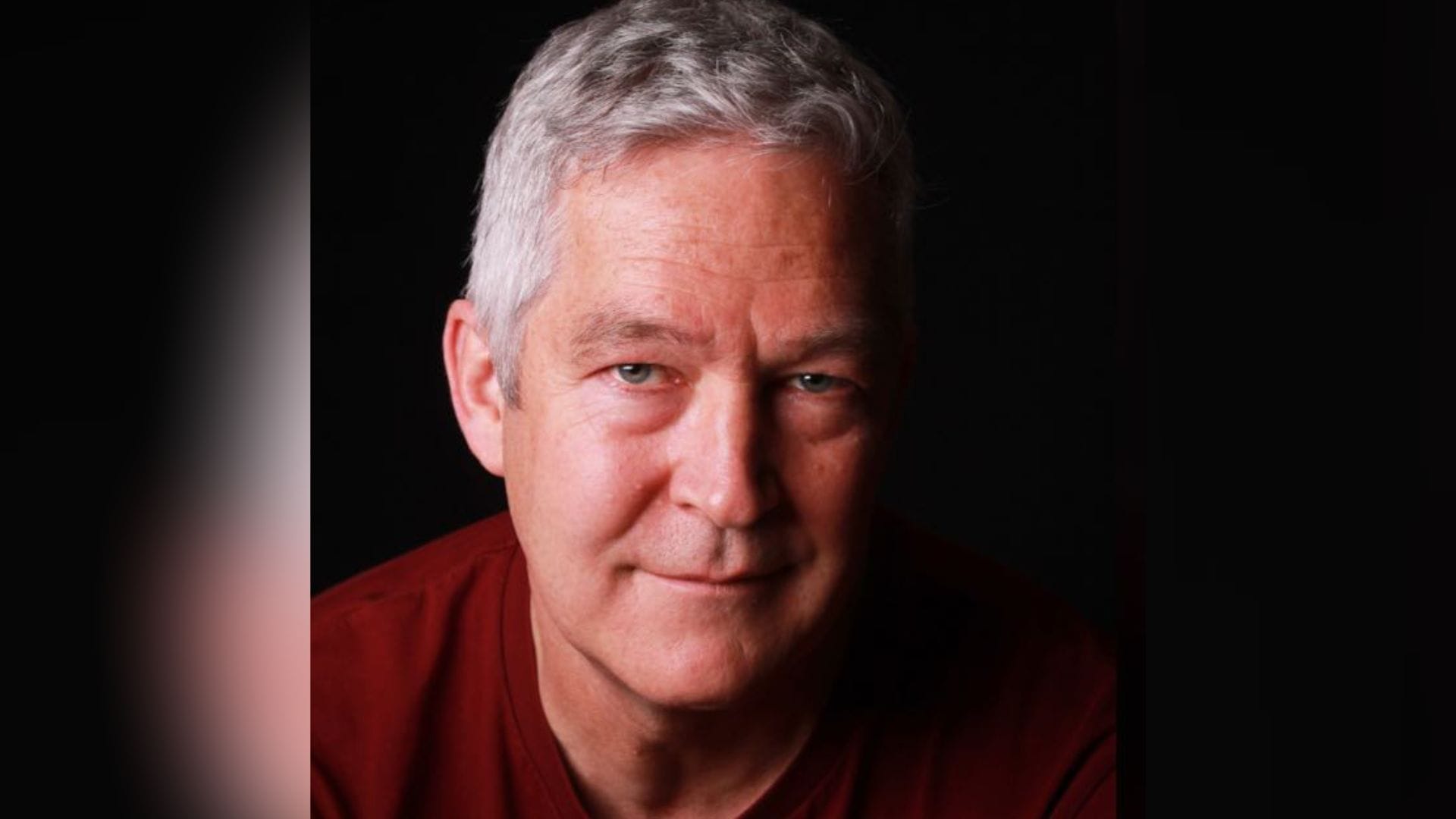
Former British diplomat Chris Bowers brings a powerful new play to Arcola Theatre with the world premiere of Safe Haven. This gripping drama explores the aftermath of the First Gulf War and the extraordinary efforts behind Operation Safe Haven.
Set in 1991, the play shines a light on the moral dilemmas and courageous decisions that prevented genocide and saved countless Kurdish lives. It’s a story of humanity, diplomacy, and the fight for justice.
Safe Haven runs at Arcola Theatre from 14 January – 7 February 2026. Tickets are available here.
You’ve written Safe Haven, which premieres at Arcola Theatre in January, what can you tell us about the show?
The show is based on real events in which a few brave people came together – Kurds and Brits – to prevent a genocide unfolding in the Kurdish mountains in the wake of the first Gulf War in 1991.
It is a dramatic story of a few people in the right place doing the right thing at the right time. For the Kurdish nation it was a moment that demanded courage, belief and resilience.


But the play has so many other resonances – Rwanda, Afghanistan, Ukraine, the Middle East. The list goes on and will continue to do so as we grapple with these difficult issues and dilemmas that touch so many people’s lives in such a profound way.
What inspired you to turn your experiences as a diplomat into a stage play?
The most important themes of foreign policy for me are about what states do in response to awful things happening in other countries, why and what they should and can do to help manage the aftermath.
I have been drawn to such situations throughout my career as a diplomat but also much earlier on as a BBC reporter and humanitarian working for the United Nations refugee agency.
I like to think Safe Haven casts some light on the dramatic experiences of the Kurdish people in the crucible of a nation-forming moment from different perspectives and through different lenses.
The play looks at the policy decisions at the time and hopefully will make people reflect on today’s issues, but beyond that it is also a powerful piece of drama with some extraordinary human resilience on show.
How did you approach blending historical accuracy with dramatic storytelling?
The core, real story has been there throughout, and I spent hours interviewing the key characters and going through government records.
The action happened only a few decades ago but looking back it feels so different. There was optimism in the air, hope given the huge changes in the world. I hope the writing captures some of the chaos, pain and competing narratives and priorities of the time.
The narrative has to feel true and accurate – as I hope it does – otherwise it becomes “just” fiction. The main real-life figures have consented for their names to be used – and that is very important to me.
But, of course, there are moments where I have taken dramatic license to simplify, to help the audience understand and to keep the cast down to manageable numbers! It is of course a balance; however, the scales are very much in favour of the real life.
What were the biggest challenges in writing about such a sensitive and significant period in history?
I’m very conscious that Safe Haven is a crucial nation-forming moment for the Kurdish people even if an independent state remains currently out of reach. Telling even part of that story is a huge responsibility.
Telling it through the experiences of two Kurdish women has been an honour and an extraordinary learning experience. Their resilience astounds.
It is also true that, for better or worse, the UK has been involved in several critical moments of Kurdish history over the last hundred years or so. This shared story binds us together.
I think it is really important to explore that, to respect it and build on it where we can, particularly with such a passionate, capable and strong Kurdish diaspora in London and elsewhere.
How has it felt to see your words brought to life by the director and cast during rehearsals?
Amazing. Beyond my wildest dreams.
The play – my first – started out life, like so many things, in lockdown. Friends ask me, as a former journalist, why I wrote a play rather than an article or book.
First off, in these difficult times, I knew the story had to be told and slowly it dawned on me that I was as well-placed to do it as anyone and if no one else was going to do it then I should.
Secondly, the play has three main narrative locations: Whitehall, the Kurdish diaspora in London and the Kurdish mountains in Iraq and I pictured them, dreamed them actually, physically across a stage.
Thirdly, a play is more powerful and complex emotionally, draws on the skills of a wider collective team and above all it felt right to do all of this in the Arcola among the communities to whom the play speaks most urgently.
The words mean more in this location; words come alive in the Arcola.
What would you say to anyone thinking of booking to see Safe Haven?
Come! Book! You will see a story that will move you, make you think and hopefully inspire you to realise the power of individuals and what they can achieve.
How it is often ‘outsiders’, people who see things differently, who aren’t satisfied or intimidated by the status quo or ‘how things have always been done’ who make a difference and who can bring about change.
The play is also about relationships, be they between states or partners, and how they drive action onwards. At its core it is about having the morale and morals to do the right thing.
Safe Haven doesn’t shirk the costs or the risks, but it acknowledges the responsibility, and in that sense, it is a call to action.