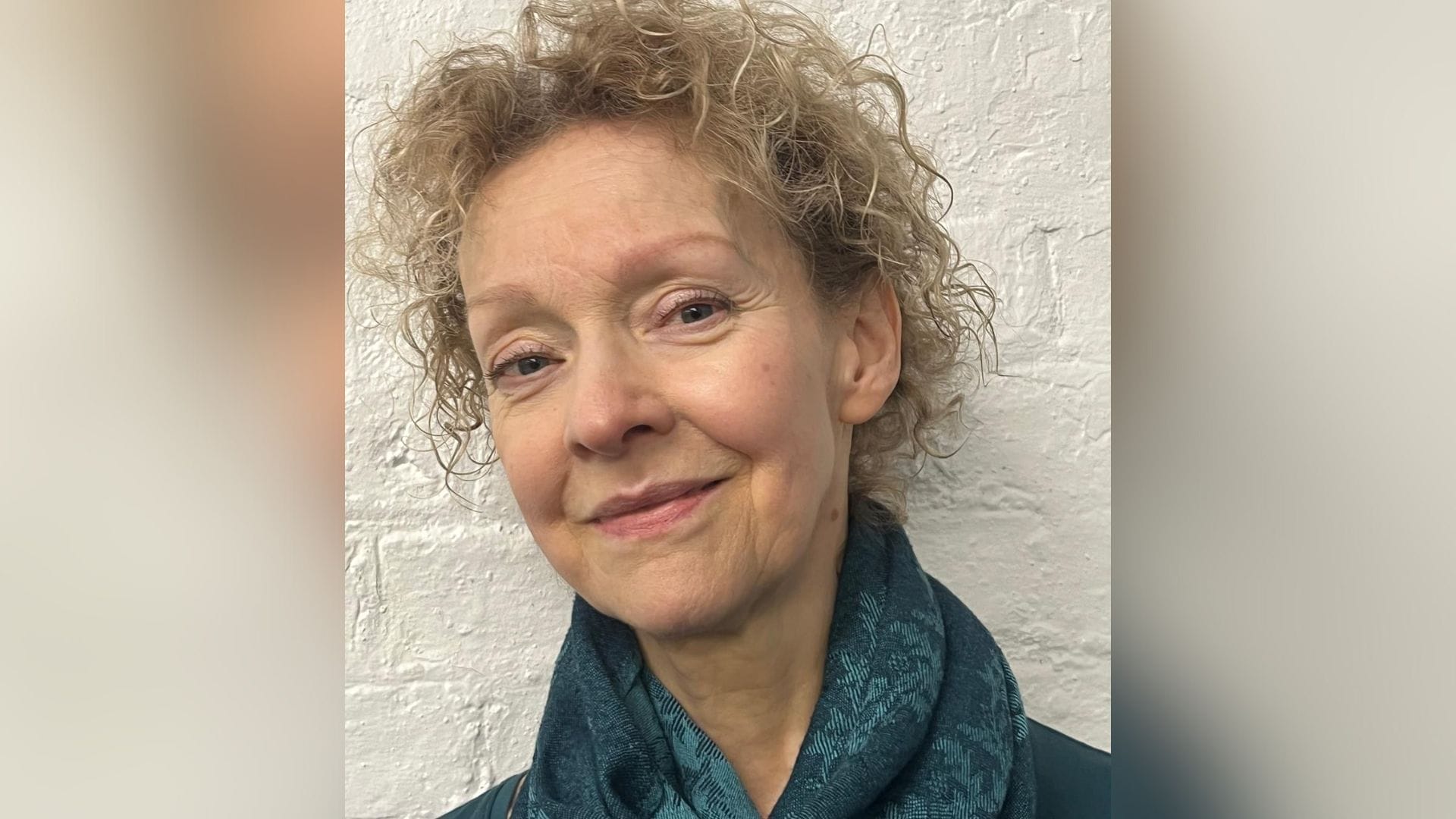



Director Mandi Riggi brings Edward J. Moore’s Drama Desk Award-winning play The Sea Horse to London for a limited run at Golden Goose Theatre.
Set in a gritty waterfront bar, The Sea Horse is a powerful love story between two outsiders, exploring vulnerability, trust, and the human need for connection.
Performances run from 4 to 15 November 2025 at Golden Goose Theatre. Tickets are available here.
You’re directing The Sea Horse at Golden Goose Theatre, what can you tell us about the show?
The Sea Horse is a two-hander set in the 1970s in a weather-worn seaside bar owned by Gertrude Blum, a woman who has learned to survive by keeping her feelings tightly controlled. Harry Bales, a merchant seaman she’s known for some time, comes back into her life claiming he’s changed, and his return unsettles the careful balance she’s built around herself.
It’s an unsparing, deeply human study of connection, fear, and the courage it takes to let someone in. The play was first produced in New York in 1974, where it won the Drama Desk Award for Outstanding New Playwright, and this production marks its long-overdue London premiere.


The Sea Horse was first performed in New York in 1974, what drew you to this particular play and why now?
I first came across The Sea Horse through The Actors Studio, where both Edward J. Moore and I are members. I was struck by its heart and its honesty. Moore writes about two people at a crossroads, both strong, both longing, but unequally equipped to express it.
Gertrude has built her independence out of necessity and a need for survival, and Harry has to evolve if he wants to meet her there. That feels very current. We’re living in a time when women no longer need saving, and men are learning what it means to love without control.
The play also speaks to how trauma shapes us, how we build walls to feel safe and in doing so sometimes deny ourselves the chance to be loved. Though written in the 1970s, its emotional landscape feels unmistakably of today.
The play explores themes of vulnerability and connection, how have you approached these emotionally complex dynamics in your direction?
I have approached the play through truth and restraint. Both characters are fighting for something they cannot quite name, and that creates a kind of emotional compression.
The work in rehearsal has been about listening to what is not said — the hesitation, the deflection, the impulse to protect. It is also about trust. For Gertrude, safety has always meant control, and for Harry, love has often meant pursuit. The direction has been to honour that tension until something real begins to break through.
What has it been like working with Rachael Bellis and Jay Rincon to bring Gertrude and Harry to life?
Rachael and Jay are extraordinary to work with. They both bring a depth of understanding and a willingness to go to uncomfortable places.
Rachael is a Method-based actor, and coming from The Actors Studio myself, I understand that process and the precision it requires. Her work is deeply lived, never performed.
Jay brings warmth, instinct, and a quiet persistence that anchors the piece. The play demands absolute presence — two people on stage with nowhere to hide — and together they create something truthful and alive.
How do you think modern audiences will respond to the raw and intimate nature of this story?
I think audiences will connect to it on a very personal level. The world may look different now, but the need to love and be loved on honest terms has not changed.
We are living in a time when independence is celebrated, but emotional vulnerability can still feel risky. The Sea Horse captures that tension with great clarity.
The language belongs to the 1970s, and that brings its own texture and truth. It reminds us how easy it is to build a life that feels safe but is actually very lonely, and how much courage it takes to let those walls come down.
What would you say to anyone thinking of booking to see The Sea Horse?
Come and witness two people trying to find a way through to each other. It is a love story, but not a simple one. It asks what it costs to keep control and what it takes to truly open up.
The play holds tension, tenderness, and hope in equal measure. It is raw, beautifully written, and performed with real truth. For anyone who has ever protected their heart a little too well, this story will feel close.